

The culture of tomorrow : what is the paulownia, this tree that gives new life to…
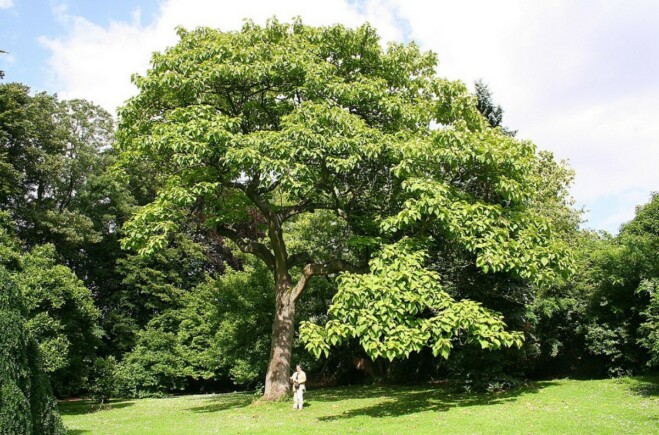
The Paulownia, often called the « Princess Tree, » is a genus of deciduous tree native to Asia, particularly valued for its environmental qualities and spectacularly rapid growth, which makes it a true hope for the rehabilitation of unused or degraded land.
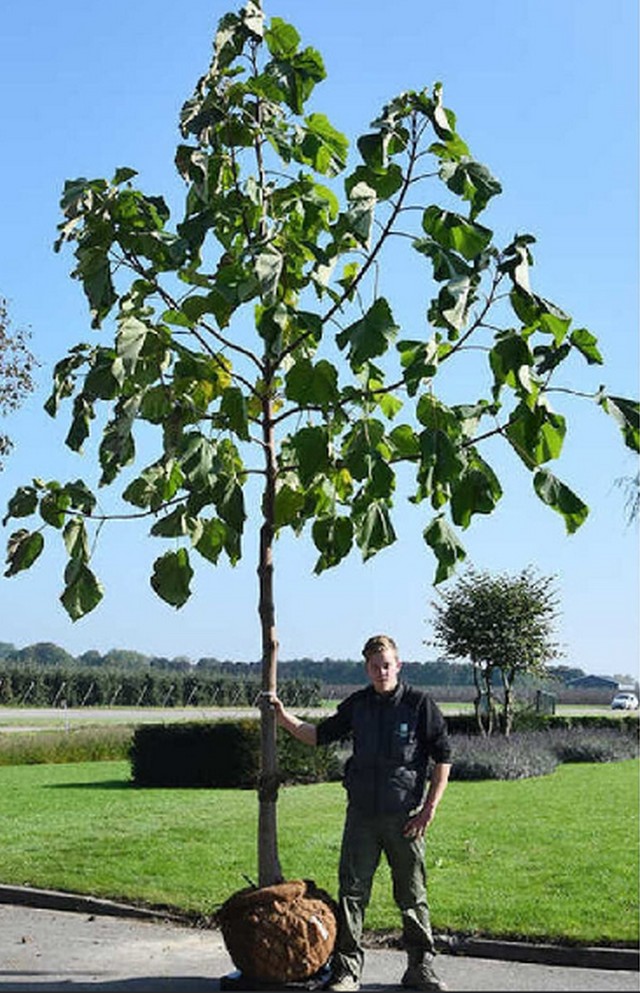 What makes the Paulownia so unique is its exceptional growth capacity, commonly reaching 3 to 5 meters in the first year under optimal conditions, and allowing for a first timber harvest in just 7 to 10 years, a much shorter timeframe than other species, thus offering rapid economic profitability for land previously neglected because it was considered unproductive.
Its pioneering role in revitalizing fallow land stems from its extensive taproot system, which penetrates deep into the soil, aerates it, prevents erosion, and improves its structure at depth, making it suitable for poor or compacted soils where other crops would fail.
Furthermore, its very large leaves, which can reach up to 70 cm in diameter, fall in autumn and decompose rapidly, enriching the soil with organic matter and nutrients, acting as a natural amendment and gradually restoring the fertility of depleted soils.
The Paulownia is also a champion of carbon sequestration, capable of absorbing up to ten times more CO₂ than a traditional tree due to its rapid growth and abundant foliage, thus offering a major advantage in the fight against climate change and the creation of carbon sinks on unused land.
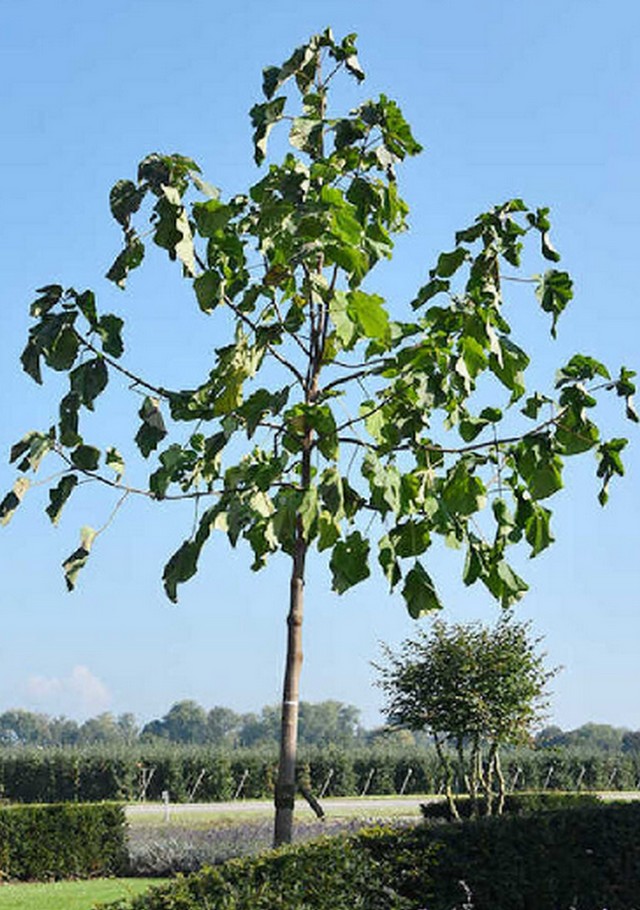 Some species are even recognized for their phytoremediation capacity, meaning they can absorb pollutants or heavy metals from contaminated soils, contributing to the natural decontamination and ecological rehabilitation of abandoned industrial or mining sites.
Finally, beyond its soil-regenerating qualities, Paulownia produces a lightweight yet strong, rot-resistant wood with excellent insulating properties, highly sought after in construction, cabinetmaking, and industry.
Its large mauve flowers also make it a valuable source of nectar for bees, promoting biodiversity and beekeeping on these uncultivated lands and offering a model of sustainable agroforestry.
However, it is important to note that some non-hybrid species can be potentially invasive and require appropriate management.
Sterile hybrid varieties developed by nurseries allow growers to benefit from its advantages while controlling the risks.


On the same subject

Why Ginkgo biloba
Ginkgo biloba, a tree native to Southeast Asia, has been recognized for centuries in...

What are the health benefits of black garlic ?
Black garlic is a fermented version of white garlic, but it’s much more potent....

How do Indian women take care of their beautiful long hair ?
The secret to the length and wonderful health of Indian women’s hair lies in...


