

Nobel, from dynamite to peace
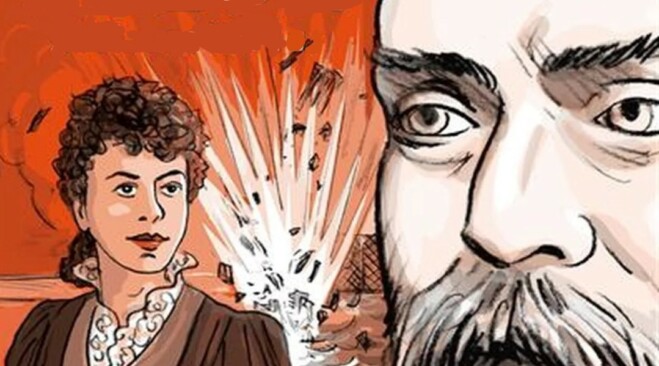
The Nobel Prize remains today, at the beginning of 2026, the most prestigious institution of the human mind, a paradoxical legacy born from the destructive blast of dynamite to become an eternal hymn to peace and progress.
The history of this distinction begins with a striking journalistic error in 1888: upon the death of his brother Ludvig, a French daily newspaper mistakenly published Alfred Nobel’s eulogy entitled « The Merchant of Death is Dead, » denouncing the man who had enriched himself by inventing ways to kill more people more quickly than ever before.
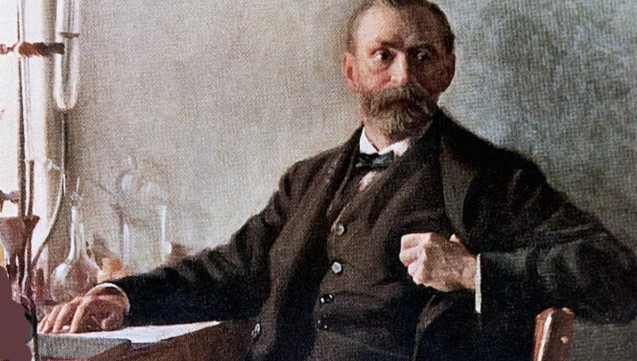 Disturbed by this vision of his own legacy, the Swedish inventor decided to redeem his name by writing a revolutionary will in 1895, bequeathing almost his entire immense fortune to the creation of awards for those who, during the previous year, had rendered the greatest services to humanity in the fields of physics, chemistry, medicine, literature, and peace.
 Since the first ceremony in 1901, the history of the prize is full of fascinating anecdotes, such as that of Marie Curie, who was not only the first female laureate but remains the only person to have won two Nobel Prizes in two different scientific disciplines.
The list of winners is also marked by missed opportunities and remarkable achievements, such as Jean-Paul Sartre’s refusal in 1964, as he did not wish to be « institutionalized, » or the Peace Prize awarded to Malala Yousafzai, who at 17 became the youngest recipient in history.
It is also said that during the Second World War, two German laureates, Max von Laue and James Franck, entrusted their gold medals to the chemist George de Hevesy to prevent them from being confiscated by the Nazis. He dissolved them in aqua regia to hide them in liquid form in his laboratory, before precipitating them again and having the medals restruck after the liberation.
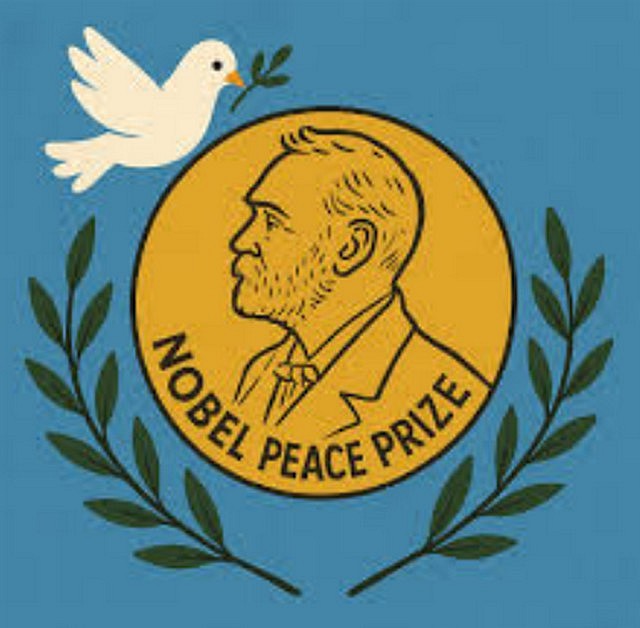
This historic transition from dynamite to excellence underscores the quest for redemption of a man who, despite his 355 patents, wished to be remembered not for gunpowder, but for the pen, the stethoscope, and the olive branch, making the Nobel Prize a beacon that continues to illuminate the highest peaks of intellect and global diplomacy.

On the same subject

Strait of Hormuz : How high can it go?
The escalation of the conflict in the Middle East in early March 2026, marked...

Sabre is rethinking its entire model
At the ITB Berlin 2026 international trade fair, technology giant Sabre made history in...

Can Indian AI really compete with the Chinese DeepSeek system ?
India has reached a historic milestone in its quest for technological leadership, finally seeking...



