

This scourge of containers lost at sea
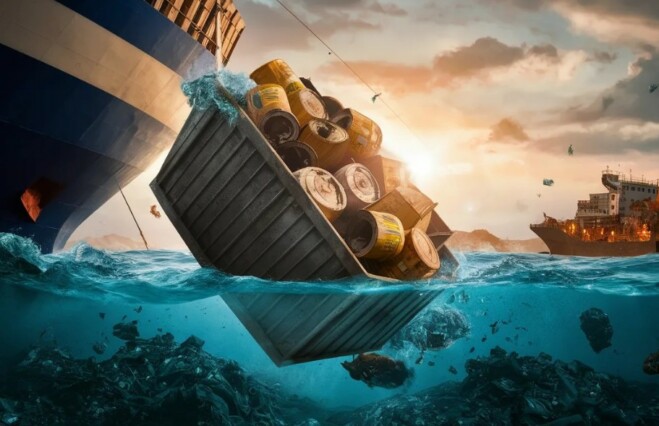
Behind the fluidity of global trade lies a nightmarish ecological reality: every year, thousands of containers fall from cargo ships during storms or accidents, transforming the ocean depths into an out-of-control industrial dumping ground.
This gigantic scourge, often ignored by shipping giants, represents a multidimensional threat to biodiversity and navigational safety.
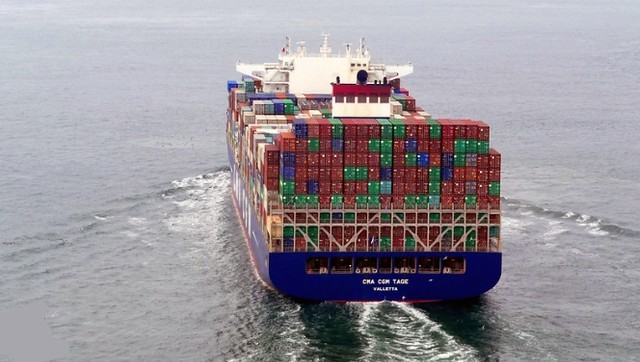 When these steel boxes sink, they release a motley cargo—ranging from toxic electronic components to tons of microplastics—which eventually break down and become permanently integrated into the marine food chain.
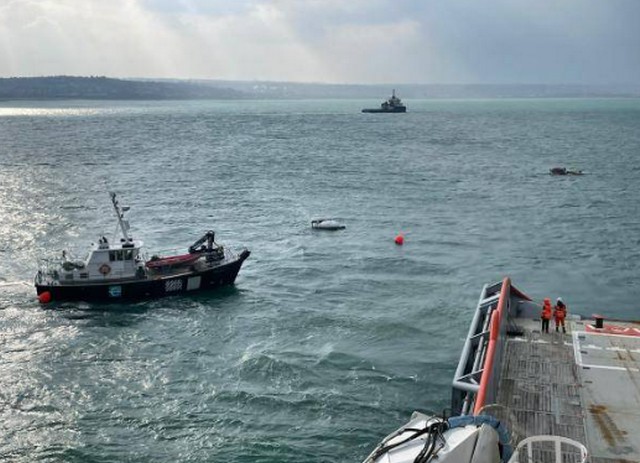 Even more serious, some containers remain suspended in the water column, becoming « unidentified floating objects » (UFOs), virtually invisible to radar, capable of shattering the hull of a sailboat or severely damaging larger vessels.
Faced with this systemic pollution, environmental organizations denounce a lack of transparency from ship owners and demand mandatory geolocation beacons on every vessel to facilitate their recovery after a fall.
Currently, international legislation remains too permissive, leaving it to ecosystems to absorb these millions of tons of metallic and chemical waste that disrupt ocean currents and destroy benthic habitats.
Combating this scourge requires a comprehensive overhaul of lashing standards and increased legal responsibility for carriers, because every container lost at sea is an ecological time bomb whose effects will be felt for centuries, polluting the most remote coasts of the planet.


On the same subject

C-beauty : how Chinese cosmetics are performing in Southeast Asia
Long overshadowed by its South Korean and Japanese counterparts, Chinese cosmetics, or C-beauty, is...

Chicago Blues, pure hipster music
Chicago Blues isn’t just a musical genre; it’s the soundtrack of a social revolution...

Are they really appropriate for breaking the Ramadan fast ?
Breaking the fast with dates is not just a religious tradition inherited from the...


